February 4, 2026
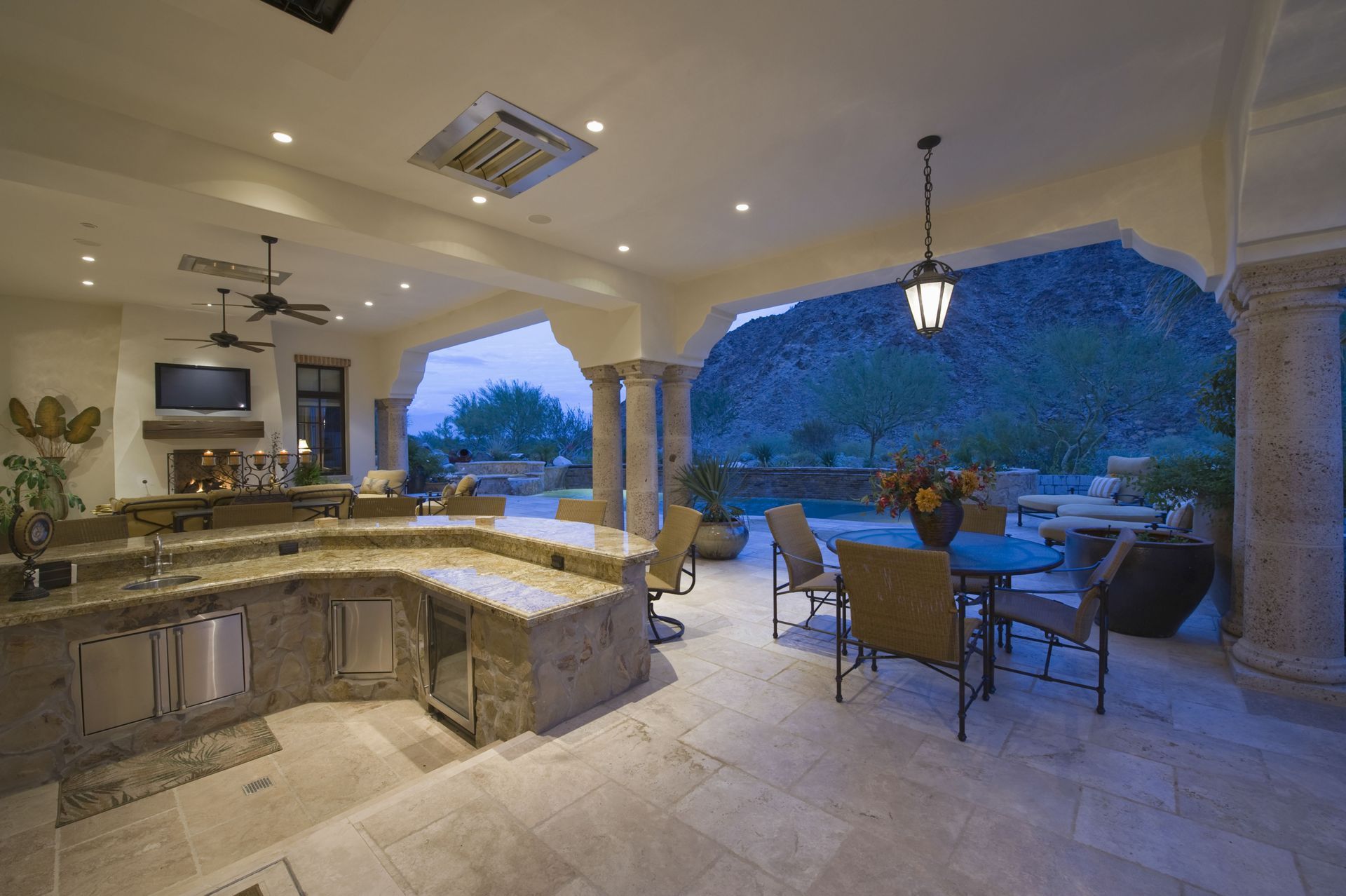
Outdoor kitchens have become a popular home feature, offering a convenient and stylish way to entertain while enjoying the great outdoors. Countertop installers play a crucial role in the design and functionality of these spaces. This article explores how to create the perfect outdoor kitchen with professional guidance from countertop experts. With a careful blend of practicality and creativity, homeowners can design outdoor spaces that enhance their lifestyle and add value to their property. This guide provides insights into choosing materials, planning layout, and collaborating with professional countertop installers to achieve a dream outdoor kitchen.
1. Understanding the Basics of Outdoor Kitchens
1.1 Benefits of Having an Outdoor Kitchen
Outdoor kitchens extend living space, creating seamless transitions between indoor comfort and outdoor enjoyment. They provide a perfect setting for social gatherings, allowing hosts to engage with their guests while preparing meals. Additionally, outdoor kitchens increase the value of a home, representing a significant investment in property appreciation. With the ability to cook and dine outside, homeowners can reduce indoor cooling costs by minimizing heat buildup from indoor cooking during warm months. These multifunctional spaces elevate the home's aesthetic, serving as a charming focal point in the backyard.
1.2 Key Elements of Outdoor Kitchen Design
Effective outdoor kitchen design begins with understanding the essential components that contribute to functionality and comfort. Key elements include cooking appliances, such as grills and smokers, which form the kitchen's core. Storage options, like cabinets and drawers, are integral for organizing utensils and supplies, ensuring ease of access. Countertops provide ample space for meal preparation and serving, blending functionality with style. Additionally, incorporating seating and dining areas enhances the overall social experience, facilitating seamless interaction among guests.
1.3 Popular Materials for Outdoor Use
Choosing the right materials for outdoor kitchens is vital to withstand varying weather conditions. Natural stone, such as granite and slate, offers durability and timeless beauty, ideal for countertops from countertop installers. Stainless steel stands out for its resilience against moisture and heat, commonly used for appliances and cabinetry. Engineered quartz has gained popularity too, adored for its versatility and lower maintenance, with nearly 40% of homeowners choosing it for upgrades, according to Houzz. It's crucial to select materials that resist fading, corrosion, and wear to maintain their appearance over time.
1.4 Outdoor Kitchen Safety and Durability
Safety and durability are paramount concerns in outdoor kitchen construction. Materials must endure elements without compromising structural integrity, ensuring long-term functionality. Opting for non-combustible materials reduces fire risks, especially around grills and open flames. Another aspect is ensuring slip-resistant flooring, which is essential for safety in spaces that may be subject to spills and moisture. Employing close attention to these factors not only enhances usability but also prevents potential hazards, ensuring peace of mind for users.
1.5 Environmental Considerations
Incorporating environmental considerations into outdoor kitchen design is increasingly significant as concerns for sustainability grow. Choosing eco-friendly materials, such as sustainably sourced wood or recycled metal, helps minimize environmental impact. Energy-efficient appliances reduce resource consumption, further contributing to a green lifestyle. Moreover, positioning the kitchen to maximize natural light and airflow can reduce reliance on artificial lighting and climate control. Conscious design choices support an eco-friendly approach while maintaining the luxurious appeal of an outdoor kitchen.
2. Choosing the Right Countertops for Outdoor Spaces
2.1 Types of Materials Suitable for Outdoors
Countertop choices are vital to achieving durability and aesthetics in outdoor kitchens. Natural stone remains a top choice for its strength and weather resistance, with granite and soapstone leading preferences. Engineered quartz has gained traction due to its resistance to stains and scratches, and its color consistency in varying designs. Concrete offers versatile design options with the ability to customize textures and colors, standing up well to outdoor elements. Each material brings unique qualities that cater to functional and design needs.
2.2 Pros and Cons of Natural Stone Countertops
Natural stone countertops are renowned for their elegant appearance and robustness. Granite, for example, resists heat and scratches while providing a vast palette of natural colors. However, maintenance demands are higher, as stones may require sealants to guard against stains and weathering. Limestone offers a distinctive look but is more susceptible to damage and needs careful upkeep. Understanding these pros and cons helps in making informed decisions that align with the homeowner's lifestyle and design vision.
2.3 Exploring Synthetic and Composite Options
Synthetic and composite materials offer diverse possibilities for outdoor countertops. Materials such as engineered quartz provide consistency in color and pattern, a draw for modern designs. These surfaces are non-porous, making them less vulnerable to stains and bacteria, though they can be prone to UV damage without proper treatment. Solid surfaces can mimic the look of natural stone and allow for seamless installation, offering varied design flexibility. Weighing these options helps homeowners choose countertops from countertop installers matching their functional expectations and aesthetic preferences.
2.4 Factors Affecting Maintenance and Longevity
Proper maintenance is crucial for extending the lifespan of outdoor countertops and maintaining their visual appeal. Usage of sealants and protective coatings can safeguard against moisture and stains, applicable to natural stones like granite. Regular cleaning with mild, non-abrasive products prevents dirt buildup and damage caused by harsh chemicals. Considering exposure to the elements, periodic inspections for cracks and wear can mitigate long-term issues. Understanding these factors aids in preserving both the function and the beauty of the countertops over the years.
3. Planning and Designing Your Outdoor Kitchen
3.1 Assessing the Space Available
Evaluating the available space is fundamental to the success of an outdoor kitchen design. It involves precisely measuring footprints, considering how the area integrates with existing structures and landscapes. Close attention is given to accessibility, ensuring heart-of-the-home connectivity while being open to the outdoors. Flexibility in design accommodates potential future expansions without compromising functionality. This spatial analysis underpins a balanced plan that harmonizes with both aesthetic desires and functional requirements.
3.2 Defining the Functional Zones
Creating distinct functional zones within an outdoor kitchen is crucial to optimizing efficiency and comfort. Segregating cooking, preparation, dining, and relaxation areas ensures seamless workflow and activity transition. Strategic placement of countertops near cooking appliances aids convenience, keeping ingredients and tools within arm's reach. Adequate separation maintains safety, such as keeping seating zones away from grills and hot surfaces. Clearly defined zones enhance usability, aligning with both design goals and practical daily use.
3.3 Integrating Appliances with Countertops
Seamless integration of appliances with countertops enhances both the functionality and aesthetic appeal of outdoor kitchens. Appliances, such as built-in grills and refrigerators, align with countertop surfaces, creating a cohesive unit. Positioning considers the optimal triangle of kitchen efficiency: prep, cook, and clean. Tailored utility connections support operational ease, with countertops safeguarding equipment space and access. This thoughtful integration by countertop installers balances utilitarian concerns with visual unity, creating inviting culinary environments.
3.4 Maximizing Storage and Utility
In outdoor kitchen design, maximizing storage ensures organized and clutter-free spaces. Installing cabinets and drawers provides ample room for utensils, cookware, and supplies, just as helpful as they are indoors. Incorporating storage solutions tailored to individual tastes can solve unique spatial challenges, from kitschy shelving to hidden drawers. Thoughtful layout consideration ensures that storage contributes to visual harmony and practical use. Maximizing utility in this sense supports efficiency, aesthetic alignment, and hassle-free maintenance.
Creating an outdoor kitchen that combines functionality with aesthetic appeal is an exciting venture. With the expertise of countertop installers, homeowners can bring their outdoor living vision to life. Following the right steps—from planning and material selection to installation—ensures long-lasting enjoyment and enhances property value. These spaces represent a unique convergence of design innovation and lifestyle enhancement, offering an optimal blend of comfort, utility, and pleasure for outdoor living. By embracing informed choices and professional guidance from countertop installers, the dream of the perfect outdoor kitchen becomes a rewarding reality. Give Parrish Granite a call today to explore our diverse countertop options.